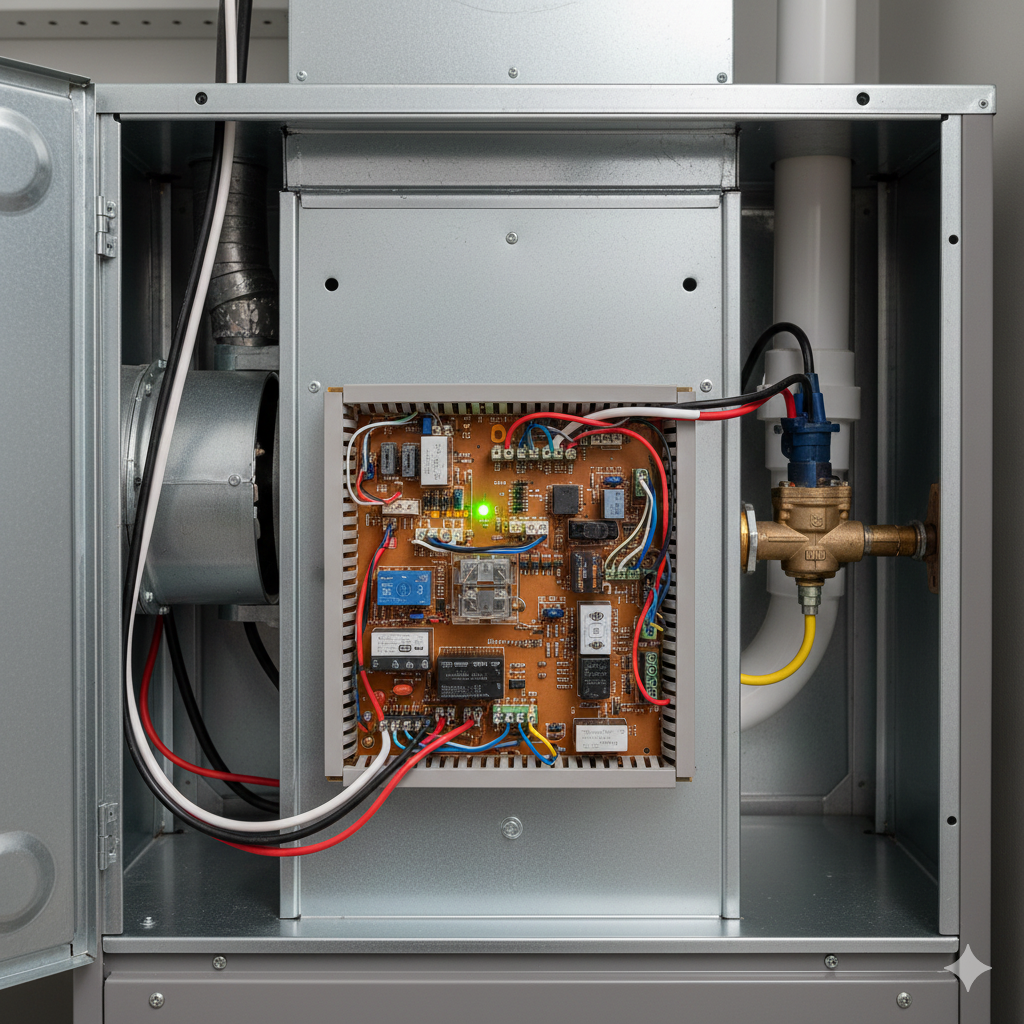
Understanding the electrical requirements for furnaces and other large home appliances is essential for safe, efficient, and code-compliant operation. Whether you're installing a new heating system, upgrading to modern high-efficiency appliances, or planning a home addition, knowing how these major electrical users impact your home's electrical system helps you make informed decisions and avoid costly problems.
Modern homes rely on numerous high-power appliances that place significant demands on electrical systems. Furnaces, air conditioning systems, water heaters, electric ranges, dryers, and other major appliances require proper electrical infrastructure to operate safely and efficiently. Undersized circuits, inadequate voltage, or insufficient electrical panel capacity can lead to equipment failure, safety hazards, and code violations.
This comprehensive guide examines the electrical requirements for furnaces and other large residential appliances, explains why dedicated circuits are essential, covers proper circuit sizing, identifies common electrical issues, and helps you understand when electrical service upgrades become necessary. Whether you're a homeowner planning improvements or simply want to understand your home's electrical system better, this information provides the foundation for safe, compliant installations.
Understanding Furnace Electrical Requirements
Furnaces represent critical components of home comfort systems, and their electrical requirements vary significantly based on type, size, and efficiency ratings. Proper electrical supply ensures reliable operation, optimal efficiency, and safe performance throughout the heating season.
Gas Furnace Electrical Needs
While gas furnaces use natural gas or propane as their primary fuel source, they still require electrical power for essential components. The blower motor that circulates heated air throughout your home draws substantial current, typically requiring 7 to 15 amps depending on furnace size and motor type. Modern high-efficiency furnaces with variable-speed blowers may draw less current but require more sophisticated electrical control.
Gas furnaces also need electricity for the electronic ignition system that lights the burners, the control board that manages operation, and the exhaust fan motor (in high-efficiency condensing units). Most residential gas furnaces operate on 120-volt circuits, though some larger units may require 240-volt power for high-capacity blower motors.
The National Electrical Code (NEC) requires gas furnaces to have dedicated circuits - electrical circuits serving only the furnace with no other devices or outlets connected. This requirement ensures the furnace always has adequate power available and prevents other electrical loads from causing voltage drops or circuit overloads that could affect heating system operation.
Typical gas furnace installations require a 15-amp or 20-amp dedicated circuit at 120 volts. The specific amperage requirement appears on the furnace data plate, which provides the manufacturer's electrical specifications. Licensed electricians size circuits based on these nameplate ratings, applying appropriate safety factors as required by electrical codes.
Electric Furnace Electrical Demands
Electric furnaces place far greater demands on electrical systems than gas furnaces because they convert electrical energy directly to heat rather than burning fuel. These units contain multiple heating elements that draw substantial current, making them among the largest electrical loads in residential buildings.
Electric furnaces universally require 240-volt power, the higher voltage level used for large appliances. A typical residential electric furnace might draw anywhere from 30 to 100 amps or more, depending on the unit's heating capacity measured in kilowatts (kW). A modest 10kW electric furnace suitable for a small home draws approximately 42 amps at 240 volts, while larger 20kW units for spacious homes draw roughly 84 amps.
These substantial current draws require appropriately sized electrical circuits with wire gauges capable of safely carrying the load. A 10kW furnace typically requires a 50-amp circuit with 6-gauge copper wire, while a 20kW unit needs a 100-amp circuit with 3-gauge copper wire or larger. The electrical panel must have sufficient capacity to supply this power along with all other household loads.
Electric furnaces also require dedicated circuits, and the National Electrical Code specifies strict requirements for conductor sizing, overcurrent protection, and disconnecting means. The furnace must have a readily accessible disconnect switch located within sight of the unit, allowing service technicians to de-energize the equipment safely during maintenance or repair.
Heat Pump Electrical Requirements
Heat pumps, which provide both heating and cooling by moving heat rather than generating it, have electrical requirements similar to air conditioning systems. The compressor, outdoor fan motor, and indoor air handler all require electrical power. Most residential heat pumps operate on 240-volt power and draw between 15 and 50 amps depending on system size and efficiency rating.
Heat pump systems typically require two dedicated circuits - one for the outdoor unit containing the compressor and outdoor fan, and another for the indoor air handler with its blower motor and controls. Some systems also include supplemental electric resistance heating elements for extremely cold weather, which may require additional dedicated circuits if their combined load exceeds circuit capacity.
The specific electrical requirements for heat pumps vary by manufacturer, model, and capacity. System data plates provide minimum circuit ampacity (the minimum circuit size required) and maximum overcurrent protection device rating (the largest circuit breaker or fuse that can be used). Professional electricians use these specifications to design and install compliant electrical circuits.
Other Large Electrical Users in Residential Buildings
Beyond heating systems, modern homes contain numerous high-power appliances that significantly impact electrical system design and capacity. Understanding these major electrical loads helps homeowners and contractors ensure adequate electrical infrastructure.
Central Air Conditioning Systems
Central air conditioning systems rank among the largest electrical consumers in homes, particularly in regions with hot summers. The compressor motor that pressurizes refrigerant draws substantial current during operation, with residential systems typically requiring 15 to 60 amps at 240 volts depending on cooling capacity measured in tons.
A typical 3-ton central air conditioner for an average home might draw 20 to 30 amps, requiring a dedicated 30 or 40-amp circuit. Larger 5-ton systems for spacious homes can draw 50 amps or more, necessitating appropriately sized dedicated circuits with proper wire gauges and overcurrent protection.
Air conditioning systems include both an outdoor condensing unit and an indoor air handler or furnace with a blower motor. While these components operate as a unified system, they may connect to separate circuits depending on system configuration and electrical design. The outdoor unit containing the high-draw compressor requires the larger dedicated circuit.
Electric Water Heaters
Electric water heaters represent continuous electrical loads that can significantly impact overall electrical consumption. Tank-type water heaters contain one or two heating elements that maintain water temperature, with total power consumption typically ranging from 3,000 to 5,500 watts for residential units.
Standard residential electric water heaters operate on 240-volt power and typically require dedicated 20 to 30-amp circuits. A common 4,500-watt water heater draws approximately 19 amps at 240 volts, requiring at minimum a 20-amp circuit, though 30-amp circuits provide better safety margins and accommodate future upgrades.
Tankless electric water heaters, which heat water on demand rather than maintaining a tank of hot water, draw even more current during operation. Whole-house tankless electric water heaters may require 100 to 200 amps of electrical capacity, often necessitating electrical service upgrades in homes with standard 200-amp panels already serving other large loads.
The substantial electrical demands of tankless electric water heaters make them impractical for many residential applications without major electrical infrastructure upgrades. Many homeowners in areas with natural gas availability choose gas-fired tankless units to avoid electrical system limitations.
Electric Ranges and Cooktops
Electric cooking appliances including ranges (combined cooktop and oven), standalone cooktops, and wall ovens draw substantial current when all heating elements operate simultaneously. A typical electric range requires 40 to 50 amps at 240 volts, with commercial-style residential ranges sometimes requiring 60 amps or more.
The National Electrical Code specifies minimum circuit requirements for electric ranges based on nameplate ratings. Standard installations use 50-amp circuits with 6-gauge copper wire for most residential ranges. The range connects to the circuit via a dedicated receptacle rated for the circuit amperage, typically a NEMA 14-50R receptacle for 50-amp circuits.
Separate wall ovens and cooktops may connect to individual dedicated circuits sized for each appliance's requirements, or in some installations, both may connect to a single appropriately sized circuit if their combined load does not exceed circuit capacity. Professional electrical design ensures safe, code-compliant installations.
Electric Clothes Dryers
Electric clothes dryers rank among the most common large appliances in American homes. These appliances use electric heating elements to generate the heat that dries laundry, with typical units drawing 20 to 30 amps at 240 volts. Most residential electric dryers require dedicated 30-amp circuits with 10-gauge copper wire.
The dryer connects to the electrical system via a dedicated receptacle, typically a NEMA 14-30R four-wire receptacle in modern installations. Older homes may have three-wire receptacles, but current electrical codes require four-wire connections that provide separate neutral and ground conductors for enhanced safety.
Gas dryers, which use natural gas or propane for heat, still require electrical power for the drum motor, blower, and controls. However, they operate on standard 120-volt circuits and draw minimal current compared to electric models, typically requiring only 15-amp dedicated circuits.
Pool and Spa Equipment
Swimming pools and spas require substantial electrical infrastructure for pumps, heaters, controls, and lighting. Pool pump motors typically draw 10 to 20 amps at 240 volts, requiring dedicated circuits sized appropriately for the specific equipment. Electric pool and spa heaters represent enormous electrical loads, often drawing 50 to 100 amps or more.
The National Electrical Code includes extensive requirements for pool and spa electrical installations, addressing grounding, bonding, ground-fault circuit interrupter (GFCI) protection, and proper wiring methods. These installations require licensed electricians familiar with the specialized code requirements that ensure safety around water.
Many homeowners installing pools or spas find their existing electrical service inadequate for the additional load. A typical pool installation might add 50 to 100 amps of electrical demand, which can exceed available capacity in homes with 100 or 150-amp electrical services already supporting substantial loads.
Electric Vehicle Charging Systems
Electric vehicle (EV) adoption continues to grow, and home EV charging represents a significant new electrical load for many households. Level 2 EV chargers, which provide faster charging than standard 120-volt outlets, operate on 240-volt power and typically draw 30 to 50 amps.
A common residential EV charger operating at 40 amps provides approximately 9.6 kilowatts of charging power, adding substantial load to the home electrical system. These chargers require dedicated circuits with appropriate wire sizing and overcurrent protection, and many installations benefit from smart charging systems that manage charging times to avoid peak electrical demand periods.
Installing EV charging often prompts electrical service evaluations to ensure adequate capacity exists for the charger along with all existing loads. Homes with multiple electric vehicles may require electrical service upgrades to accommodate multiple charging systems.
Why Large Appliances Need Dedicated Circuits
The National Electrical Code requires dedicated circuits for major appliances for several critical safety and performance reasons. Understanding these requirements helps homeowners appreciate the importance of proper electrical design and installation.
Preventing Circuit Overloads
Electrical circuits have specific ampacity ratings - maximum current they can safely carry continuously. When multiple devices share a circuit, their combined electrical draw can exceed circuit capacity, causing the circuit breaker to trip or, in worst cases, overheating wiring and creating fire hazards.
Dedicated circuits eliminate the risk of overloads by ensuring that only the intended appliance draws current from that circuit. A furnace on a dedicated 20-amp circuit can draw its full rated current without interference from other loads. If that same furnace shared a circuit with outlets serving a space heater, vacuum cleaner, or other devices, the combined load could easily exceed circuit capacity.
Circuit breakers provide overcurrent protection by interrupting power flow when current exceeds safe levels. However, repeatedly tripping breakers indicates an underlying problem - either the circuit is undersized for its load, or too many devices share the circuit. Dedicated circuits for major appliances prevent these scenarios.
Ensuring Adequate Voltage
Electrical voltage can drop when current flows through conductors, particularly when circuits operate near their maximum capacity or when wire runs are long. Excessive voltage drop reduces appliance performance and efficiency, and in severe cases can damage sensitive electronic controls.
Furnaces, air conditioners, and other motor-driven appliances are particularly sensitive to low voltage. Motors draw increased current when voltage drops, which can cause overheating, premature failure, and reduced efficiency. Electronic control boards may malfunction or fail when voltage falls outside their designed operating range.
Dedicated circuits sized properly for their loads minimize voltage drop by ensuring conductors have adequate capacity for the current they carry. When multiple loads share a circuit, the voltage drop from all connected devices combines, potentially reducing voltage at the appliance below acceptable levels.
Maintaining Safety Standards
Electrical codes exist primarily for safety - preventing fires, shocks, and other electrical hazards. Dedicated circuit requirements reflect decades of experience with electrical systems and analysis of failure modes. When major appliances have dedicated circuits, the electrical system operates within designed safety parameters.
Shared circuits create scenarios where fault conditions in one device can affect other connected loads. A short circuit or ground fault in an appliance sharing a circuit with a furnace could interrupt heating system operation at critical times. Dedicated circuits isolate major appliances from these interactions.
Additionally, dedicated circuits simplify troubleshooting and maintenance. When a circuit serves only a furnace, any problems with that circuit clearly relate to the furnace, its wiring, or the circuit protection device. Technicians can safely work on appliances knowing the dedicated circuit eliminates unexpected interactions with other devices.
Meeting Manufacturer Requirements
Appliance manufacturers specify electrical requirements in their installation instructions and warranty terms. These specifications typically require dedicated circuits appropriately sized for the appliance's electrical demands. Installing appliances without meeting manufacturer requirements can void warranties and create liability issues.
Manufacturers design appliances expecting specific electrical conditions - proper voltage, adequate current capacity, and appropriate overcurrent protection. When electrical installations deviate from these requirements, appliances may not perform as designed, and manufacturers may deny warranty claims for failures related to improper electrical supply.
Professional electrical contractors ensure installations meet both code requirements and manufacturer specifications, protecting homeowners' investments and ensuring reliable appliance operation.
Sizing Circuits Correctly for Major Appliances
Proper circuit sizing ensures safe operation, code compliance, and optimal appliance performance. Understanding the principles and requirements for circuit sizing helps homeowners work effectively with electrical contractors and make informed decisions.
Understanding Nameplate Ratings
Every major appliance includes a data plate or nameplate providing electrical specifications. This plate lists voltage requirements (120V, 240V, or sometimes both), current draw in amperes, and often the minimum circuit ampacity and maximum overcurrent protection rating.
The minimum circuit ampacity indicates the smallest circuit that can safely supply the appliance. This value accounts for the appliance's operating current and includes appropriate safety factors. The maximum overcurrent protection rating specifies the largest circuit breaker or fuse that should protect the circuit.
These specifications are not arbitrary - manufacturers determine them through testing and engineering analysis. Electrical installations must meet or exceed minimum requirements while not exceeding maximum values. Using a circuit breaker larger than the maximum rating can allow excessive current that damages the appliance or creates hazards.
Wire Sizing and Ampacity
Electrical conductors have specific ampacity ratings based on wire gauge (thickness), insulation type, and installation conditions. The National Electrical Code provides ampacity tables that electricians use to select appropriate wire sizes for different circuit loads.
For example, 14-gauge copper wire with standard THHN insulation in typical residential installations has an ampacity of 15 amps, making it suitable for 15-amp circuits. Similarly, 12-gauge wire is rated for 20 amps, 10-gauge for 30 amps, 8-gauge for 40 amps, and 6-gauge for 55 amps under standard conditions.
However, various factors can reduce wire ampacity. High ambient temperatures, conduits containing multiple current-carrying conductors, and other conditions require derating - reducing the allowable current below the tabulated values. Professional electricians account for all relevant factors when sizing conductors.
Circuit sizing also considers voltage drop, which increases with circuit length and current draw. For long wire runs, electricians may use larger conductors than minimum ampacity requirements would suggest to maintain voltage within acceptable limits. The National Electrical Code recommends limiting voltage drop to 3% for branch circuits and 5% total including feeder circuits.
Breaker and Fuse Selection
Circuit breakers and fuses provide overcurrent protection by interrupting current flow when it exceeds safe levels. These devices must coordinate with conductor ampacity - the breaker or fuse rating cannot exceed the wire's current-carrying capacity.
For example, a circuit using 12-gauge copper wire rated for 20 amps must have overcurrent protection rated at 20 amps or less. Installing a 30-amp breaker on 12-gauge wire would allow dangerous current levels that could overheat and damage the conductor before the breaker trips.
Appliance circuits use breaker ratings specified by the manufacturer. A furnace requiring a 20-amp circuit must have a 20-amp breaker, even if the wire size could support a larger breaker. The breaker protects both the circuit conductors and the appliance itself.
Modern electrical installations predominantly use circuit breakers rather than fuses due to their convenience and resetability. However, some older homes still have fuse panels. When replacing fuses, always use the correct amperage rating - never use a larger fuse to prevent nuisance tripping, as this disables overcurrent protection.
240-Volt Circuit Requirements
Large appliances operating on 240 volts require special circuit configurations. In residential electrical systems, 240-volt power comes from connecting to both 120-volt legs of the split-phase service. This requires two-pole circuit breakers that simultaneously interrupt both hot conductors when tripping.
240-volt circuits may be three-wire or four-wire configurations. Three-wire circuits include two hot conductors and a ground, suitable for appliances like water heaters and air conditioners that don't require neutral conductors. Four-wire circuits add a neutral conductor, necessary for appliances like electric ranges and dryers that use both 240 volts for heating elements and 120 volts for controls and lights.
Modern electrical codes require four-wire connections for all cord-and-plug connected 240-volt appliances to provide the safest possible grounding arrangement. Older three-wire installations may remain in existing homes but must be updated to four-wire configurations when circuits are modified or replaced.
Common Electrical Issues with Furnaces and Major Appliances
Despite proper initial installation, various problems can develop over time affecting major appliance electrical systems. Recognizing common issues helps homeowners identify when professional electrical service becomes necessary.
Undersized Circuits and Conductors
Undersized circuits represent one of the most common and serious electrical problems. This issue often arises when homeowners or unqualified individuals install new appliances without properly sizing circuits, or when appliances are upgraded to higher-capacity models without corresponding electrical upgrades.
An undersized circuit may work initially but causes problems over time. The circuit breaker may trip frequently, particularly during peak demand periods. Conductors operating near or above their ampacity ratings generate excessive heat, degrading insulation and increasing fire risk. Appliances receive inadequate power, reducing performance and potentially damaging sensitive components.
In some cases, previous owners or contractors may have improperly "solved" undersized circuits by installing larger breakers without upgrading wire size. This extremely dangerous practice disables overcurrent protection, allowing wiring to overheat without tripping the breaker. Professional electrical inspections identify these hazardous conditions.
Voltage Drop Problems
Excessive voltage drop occurs when circuit conductors are too small for the current they carry or when circuits run excessive distances without appropriate wire sizing. Voltage drop manifests in various ways depending on the affected appliance.
Furnaces and air conditioners experiencing voltage drop may run inefficiently, cycle on and off frequently, or fail to start reliably. Blower motors may run slowly and struggle to move adequate air. Compressor motors draw excessive current trying to compensate for low voltage, potentially causing overheating and premature failure.
Electric water heaters with voltage drop take longer to heat water and consume more energy for the same results. Electric ranges with voltage drop provide less heating power, extending cooking times. In all cases, voltage drop reduces efficiency and increases operating costs while potentially shortening appliance lifespan.
Professional electricians diagnose voltage drop using precision multimeters to measure voltage at various points in the circuit under load. Solutions may include upgrading conductor size, reducing circuit length, or addressing loose connections that contribute to voltage loss.
Loose and Deteriorating Connections
Electrical connections can loosen over time due to thermal cycling - repeated heating and cooling as current flows through the circuit. Metal conductors expand when heated and contract when cooled. Over many cycles, this can gradually loosen connections at terminals, wire nuts, and junction points.
Loose connections create high-resistance points in the circuit where electrical energy converts to heat rather than flowing efficiently. These hot spots can reach temperatures high enough to degrade insulation, oxidize conductors, and in severe cases, ignite surrounding materials.
Signs of loose connections include flickering operation, intermittent appliance function, warm or discolored outlets or junction boxes, burning smells, or circuit breakers that trip without apparent overload. Any of these symptoms requires immediate professional evaluation.
Aluminum wiring, used in some homes built during the 1960s and early 1970s, is particularly prone to connection problems. Aluminum oxidizes more readily than copper and expands and contracts more with temperature changes. Homes with aluminum wiring require special outlets, switches, and connection techniques, along with regular professional inspection.
Inadequate Disconnect Switches
Electrical codes require readily accessible disconnect means for major appliances, allowing service technicians to de-energize equipment safely during maintenance or repair. The disconnect must be within sight of the appliance, clearly labeled, and capable of being locked in the open position.
Many furnace installations lack proper disconnect switches, forcing technicians to work with the equipment energized or de-energize the entire circuit at the breaker panel. This creates unnecessary safety hazards and violates electrical codes.
Proper disconnect switches mount near the equipment, use appropriate amperage ratings, and include overcurrent protection if they serve as the circuit's service disconnect. They provide clear on/off indication and positive mechanical disconnection of all circuit conductors.
Ground Fault and Short Circuit Issues
Ground faults occur when electrical current finds unintended paths to ground, often through damaged insulation or moisture intrusion. Short circuits develop when hot conductors contact neutral conductors or other hot conductors, allowing massive current flow with minimal resistance.
Both conditions create serious safety hazards. Ground faults can energize appliance cabinets and other metal parts, creating shock hazards. They can also generate substantial heat and ignite nearby materials. Short circuits produce enormous current spikes that can cause explosions, fires, and severe damage to electrical components.
Modern electrical codes require ground-fault circuit interrupter (GFCI) protection for circuits in wet locations including bathrooms, kitchens, garages, and outdoor areas. Arc-fault circuit interrupter (AFCI) protection is required for most residential circuits to detect dangerous arcing conditions and interrupt power before fires develop.
Appliances that repeatedly trip GFCI or AFCI protection indicate potentially serious problems requiring professional diagnosis. While nuisance tripping can occasionally occur, persistent tripping always deserves investigation to rule out genuine fault conditions.
Upgrading Electrical Service for Large Appliances
Many homes, particularly those built more than 40 years ago, have electrical service inadequate for modern appliance loads. Understanding when and why electrical service upgrades become necessary helps homeowners plan for these improvements.
Recognizing Inadequate Electrical Capacity
Older homes often have 60-amp or 100-amp electrical service, designed when household electrical consumption was much lower. Modern homes with electric heating, air conditioning, electric vehicle charging, and numerous appliances typically require minimum 200-amp service, with some larger homes needing 300 or 400 amps.
Signs of inadequate electrical capacity include frequent circuit breaker trips, flickering lights when major appliances start, inability to run multiple large appliances simultaneously, and lack of available breaker positions in the electrical panel for new circuits.
Professional electrical load calculations determine whether existing service can support planned improvements. These calculations account for all existing loads, planned additions, and appropriate demand factors that recognize not all electrical loads operate simultaneously. Load calculations prevent both undersizing service (which creates safety hazards) and oversizing (which increases costs unnecessarily).
The Service Upgrade Process
Electrical service upgrades involve replacing the main service panel, service entrance conductors, and often the meter base and weatherhead. The utility company must disconnect and later reconnect service, coordinating with the electrical contractor and inspections.
The process begins with load calculations and planning to determine appropriate service size. The electrical contractor obtains necessary permits from local building authorities. Once permits are approved, the contractor schedules utility disconnect, performs the upgrade work, and arranges for inspection before the utility reconnects power.
During the upgrade, power to the entire building is interrupted, typically for several hours to a full day depending on project complexity. Homeowners must plan accordingly, considering refrigeration, medical equipment, security systems, and other needs during the outage.
Service upgrades provide opportunities to modernize entire electrical systems. Contractors often recommend replacing old outlets and switches, adding GFCI and AFCI protection where required, updating grounding systems to current standards, and addressing any code violations identified during the upgrade.
Cost Considerations and Return on Investment
Electrical service upgrades represent significant investments, with costs varying based on service size, existing conditions, and local requirements. However, these improvements provide substantial benefits that often justify their cost.
Adequate electrical service enables the installation of major appliances, EV chargers, and home additions that might otherwise be impossible. It increases home value and marketability, particularly in competitive real estate markets where buyers expect modern electrical infrastructure.
Service upgrades improve safety by eliminating overloaded circuits and outdated equipment. They often reduce homeowner insurance premiums by addressing electrical hazards that insurance companies consider risk factors. Modern panels with adequate capacity and circuit positions make future improvements simpler and less expensive.
In homes with electric heating or cooling, service upgrades can enable efficiency improvements like heat pump installations that reduce long-term operating costs. The ability to install EV chargers becomes increasingly important as electric vehicle adoption grows.
Impact on Electrical Panel Capacity
Understanding how major appliances affect overall electrical panel capacity helps homeowners make informed decisions about improvements and additions.
Calculating Panel Load
Electrical panels have specific ampacity ratings - total current they can supply to all circuits. A 200-amp panel can theoretically supply 200 amps continuously, though in practice, code-required calculations include demand factors recognizing that not all loads operate simultaneously.
Each circuit breaker in the panel represents a potential load. Adding all breaker ratings often yields a total far exceeding panel capacity - a 200-amp panel might contain breakers totaling 400 amps or more. This is acceptable because demand factors account for the reality that normal usage patterns don't simultaneously load all circuits to maximum capacity.
However, major appliances represent significant individual loads that must be considered carefully in capacity planning. An electric furnace drawing 80 amps, an electric water heater drawing 25 amps, an electric range drawing 40 amps, and an EV charger drawing 40 amps total 185 amps before considering any other household loads. This leaves minimal capacity for additional circuits in a 200-amp panel.
Available Breaker Positions
Beyond ampacity limitations, electrical panels have finite numbers of breaker positions. Standard residential panels typically provide 20 to 40 circuit positions. Tandem breakers that place two circuits in a single space can increase circuit count but don't increase panel ampacity.
When panels fill all available positions, adding new circuits requires either removing existing circuits (often impractical), installing a subpanel (adding expense and complexity), or upgrading to a larger panel with more positions.
Each major appliance requires dedicated circuit breaker positions. A furnace needs one position for a single-pole 120-volt circuit or two positions for a double-pole 240-volt circuit. Planning for multiple major appliances must account for adequate breaker positions along with sufficient panel capacity.
Future Capacity Planning
Wise electrical planning considers not only current needs but anticipated future requirements. Homes rarely decrease electrical consumption over time - more commonly, homeowners add appliances, finished spaces, and electrical conveniences.
When upgrading electrical service or installing new panels, selecting service size with future capacity provides flexibility for additions without requiring another service upgrade. A home currently needing 150 amps might justify 200-amp service to accommodate future EV chargers, home additions, or appliance upgrades.
Similarly, selecting panels with additional breaker positions beyond current requirements simplifies future modifications. The marginal cost of a larger panel during new installation or upgrade is minimal compared to the cost of replacing an inadequate panel years later.
When to Call a Professional Electrician
Major appliance electrical work requires professional expertise for safety, code compliance, and reliable results. Understanding when professional electrical service is necessary protects homeowners and their properties.
New Appliance Installation
Installing any major appliance requiring dedicated circuits demands professional electrical work. Furnaces, air conditioners, water heaters, electric ranges, and similar appliances need properly designed, installed, and permitted electrical circuits.
Professional electricians ensure circuits meet code requirements, manufacturer specifications, and safety standards. They obtain required permits, perform installations to professional standards, and arrange for inspections that verify code compliance.
While appliance manufacturers may provide basic installation instructions, these rarely cover all electrical code requirements or address site-specific conditions. Licensed electricians bring comprehensive knowledge of requirements and proper installation techniques.
Electrical System Upgrades
Service upgrades, panel replacements, and major circuit additions require professional electrical contractors. These projects involve work on service entrance equipment, coordination with utility companies, and comprehensive knowledge of electrical codes.
Electrical service work carries serious risks including electrocution hazards from utility-side connections that remain energized even when the main breaker is off. Only licensed professionals with proper training and equipment should perform this work.
Permits and inspections are required for electrical service work in virtually all jurisdictions. Licensed electrical contractors handle permitting processes and ensure installations pass required inspections, providing documentation important for insurance and property sales.
Troubleshooting and Repairs
When appliances malfunction, determining whether the problem involves the appliance itself or its electrical supply requires diagnostic expertise. Professional electricians use specialized test equipment to measure voltage, current, and other parameters identifying electrical issues.
Electrical problems that cause recurring breaker trips, voltage irregularities, or safety concerns should always receive professional evaluation. Attempting to diagnose or repair electrical issues without proper training can result in electrocution, fires, or equipment damage.
Even problems that seem simple - like a furnace that won't start - can involve complex electrical issues requiring professional diagnosis. Incorrect troubleshooting can worsen problems, create safety hazards, or void equipment warranties.
Routine Inspections and Preventive Maintenance
Regular professional electrical inspections identify developing problems before they cause failures or hazards. These inspections are particularly valuable in older homes, homes with aluminum wiring, and homes that have undergone modifications over the years.
Professional inspections include thermal imaging to identify hot spots indicating loose connections or overloaded circuits, testing of GFCI and AFCI devices, verification of proper grounding, evaluation of panel capacity and condition, and assessment of overall system safety and code compliance.
Preventive maintenance addresses minor issues before they escalate into major problems. Tightening connections, replacing aging components, and correcting minor deficiencies costs far less than repairing damage from electrical failures or fires.
Electrical Code Compliance and Safety Standards
The National Electrical Code (NEC) establishes minimum safety standards for electrical installations throughout the United States. Local jurisdictions may adopt more stringent requirements, making professional knowledge of applicable codes essential for safe, compliant installations.
National Electrical Code Requirements
The NEC undergoes regular updates on a three-year cycle, with each edition incorporating new safety requirements based on research, incident analysis, and technological advances. Recent code editions have added requirements for AFCI protection, tamper-resistant receptacles, weather-resistant outdoor devices, and expanded GFCI protection.
For major appliances, the NEC specifies requirements for dedicated circuits, conductor sizing, overcurrent protection, disconnecting means, grounding, and installation methods. These requirements vary based on appliance type, location, and operating characteristics.
Professional electricians maintain current knowledge of NEC requirements through continuing education and regular code study. This expertise ensures installations meet safety standards and pass required inspections.
Local Building Codes and Amendments
While the NEC provides baseline requirements, local jurisdictions may adopt amendments addressing regional conditions or preferences. Some areas require specific wiring methods, additional protective devices, or enhanced requirements beyond the NEC.
Local building departments enforce electrical codes through permitting and inspection processes. Licensed electrical contractors familiar with local requirements ensure installations comply with all applicable standards, avoiding failed inspections and required corrections.
Manufacturer Requirements and Warranties
Beyond code requirements, appliance manufacturers specify installation requirements in their documentation. These requirements may exceed minimum code standards, and failing to meet them can void warranties.
Manufacturer requirements typically address circuit sizing, wire types, connection methods, environmental conditions, and clearances. Professional installation ensures compliance with both code requirements and manufacturer specifications, protecting warranty coverage.
Protecting Your Northern Nevada Home
In Reno, Sparks, and throughout Northern Nevada, Hay & Wilson Electric provides comprehensive electrical services for major appliance installations, electrical system upgrades, troubleshooting, repairs, and inspections. Our licensed electricians bring extensive experience with residential electrical systems, ensuring safe, code-compliant installations that provide reliable service for years.
We understand the unique characteristics of Northern Nevada homes, from older properties with outdated electrical systems to modern construction with sophisticated electrical requirements. Our team stays current with evolving electrical codes and best practices, delivering professional service that meets the highest standards.
Whether you're installing a new furnace, upgrading to high-efficiency appliances, adding an EV charger, or planning a comprehensive electrical service upgrade, Hay & Wilson Electric provides the expertise and professionalism you need. We offer transparent estimates, clear explanations of required work, and quality craftsmanship on every project.
Ensure Safe, Reliable Power for Your Home
Understanding furnace electrical requirements and the demands of other major appliances helps you make informed decisions about your home's electrical system. Proper circuit sizing, adequate electrical service capacity, and professional installation ensure safe, efficient operation of essential home systems.
Major appliances represent significant investments that deserve proper electrical infrastructure. Dedicated circuits prevent overloads, maintain adequate voltage, and ensure reliable operation. When electrical capacity falls short of requirements, professional service upgrades provide the foundation for modern, efficient homes.
Don't compromise on electrical safety or reliability. Whether you're planning new appliance installations, experiencing electrical problems, or simply want to verify your system meets current needs, professional electrical service protects your home, your family, and your investment in major appliances.