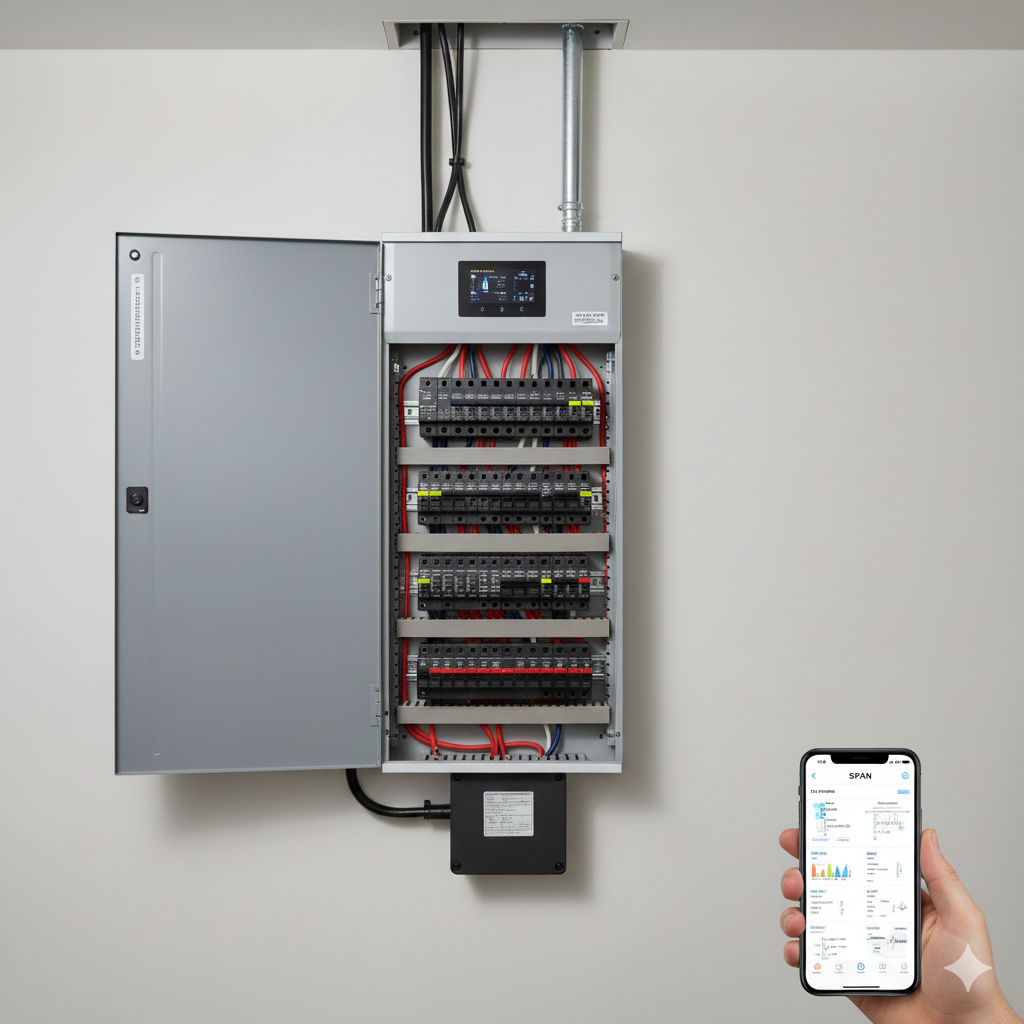
Your electrical panel serves as the central nervous system of your home's electrical infrastructure. This critical component distributes power throughout your house, protects circuits from overload, and provides essential safety features that prevent electrical fires and equipment damage. As homes age and electrical demands increase, upgrading your electrical panel often becomes not just advisable, but necessary for safety, functionality, and code compliance.
Modern households consume significantly more electricity than homes built just 20 or 30 years ago. The proliferation of computers, large-screen televisions, electric vehicle chargers, smart home devices, high-efficiency HVAC systems, and powerful kitchen appliances has dramatically increased residential electrical loads. Many older homes simply weren't designed to handle these demands, creating safety hazards and functional limitations that only a panel upgrade can resolve.
This comprehensive guide will help you understand when your home needs an electrical panel upgrade, what types of panels are available, the benefits of upgrading, what the process involves, cost factors to consider, and why professional installation is absolutely critical for safety and code compliance.
Critical Warning Signs You Need a Panel Upgrade
Your electrical panel communicates problems through various warning signs. Recognizing these indicators helps you address issues before they create dangerous conditions or prevent you from using modern appliances and technologies.
Frequent Circuit Breaker Trips
Circuit breakers are designed to trip occasionally when circuits become overloaded, protecting your wiring from dangerous heat buildup. However, frequent or repeated tripping indicates your electrical system is regularly exceeding its designed capacity. If you find yourself constantly resetting breakers, especially when running normal household appliances, your panel likely cannot provide adequate power for your current needs.
Multiple breaker trips occurring simultaneously or affecting different circuits suggest the main panel itself may be failing or that your total electrical load exceeds the panel's overall capacity. This situation requires immediate professional evaluation, as it indicates you're operating at or beyond safe limits.
Some homeowners attempt to solve frequent tripping by replacing standard breakers with higher-amperage breakers. This dangerous practice disables your protection system, allowing wiring to carry more current than it was designed for. This dramatically increases fire risk and violates electrical codes. The proper solution is upgrading the panel and, if necessary, the associated wiring to safely handle your actual electrical demands.
Flickering, Dimming, or Browning Lights
Lights that flicker, dim, or experience "brownouts" when you turn on major appliances indicate your electrical system is struggling to maintain proper voltage under load. When a large appliance like an air conditioner, electric oven, or space heater starts up, it draws significant current. If your panel and service are undersized, this surge causes a voltage drop that affects lights and other devices throughout your home.
Occasional brief dimming during large motor startup is relatively normal, but persistent, severe, or widespread dimming indicates inadequate electrical capacity. This condition not only creates inconvenience but can damage sensitive electronic equipment and shorten the lifespan of appliances designed to operate at specific voltages.
In Northern Nevada, where summer air conditioning and winter heating create heavy electrical loads, inadequate panel capacity becomes particularly apparent during temperature extremes when HVAC systems run continuously while other appliances remain in use.
Burning Smell or Scorch Marks
Any burning smell emanating from your electrical panel represents an emergency situation requiring immediate action. The odor of burning plastic, rubber, or an acrid electrical smell indicates active overheating inside the panel. This overheating can result from loose connections, overloaded circuits, failing breakers, or deteriorated bus bars that distribute power within the panel.
Visible scorch marks, discoloration, or melted components on or around your electrical panel indicate that dangerous overheating has occurred. Even if the burning smell is intermittent or has stopped, damage has already occurred to internal components. These damaged parts will continue to deteriorate and pose increasing fire risk until the panel is replaced.
If you smell burning or see scorch marks on your electrical panel, do not attempt to investigate or repair it yourself. Turn off the main breaker if you can safely do so, evacuate the building if conditions seem dangerous, and contact a licensed electrician immediately. This situation can rapidly escalate to an electrical fire.
Old Fuse Box Instead of Circuit Breakers
Homes built before the 1960s often contain fuse boxes rather than modern circuit breaker panels. While fuse boxes can function safely if properly maintained and not overloaded, they present several significant disadvantages compared to modern breaker panels.
Fuses must be replaced each time they blow, creating ongoing expense and inconvenience. More importantly, the temptation to install overly large fuses or "penny fuses" (using coins to bypass the fuse) creates extreme fire hazards by disabling overcurrent protection. Fuse panels typically provide only 60 amps of total service, inadequate for modern household demands.
Fuse panels also lack the advanced safety features of modern breaker panels, including ground fault and arc fault protection that prevent electrocution and fires. Insurance companies increasingly refuse to provide coverage for homes with fuse boxes, or charge significantly higher premiums, due to the elevated fire risk these outdated systems present.
If your home still has a fuse box, upgrading to a modern circuit breaker panel should be a high priority. This upgrade dramatically improves safety, provides capacity for modern electrical loads, and can actually reduce insurance costs while increasing property value.
Insufficient Capacity for Modern Appliances
Many homeowners discover they need a panel upgrade when they want to install major appliances or systems that their current electrical service cannot support. Electric vehicle chargers typically require 240-volt, 40-50 amp dedicated circuits. Central air conditioning systems, electric ranges, tankless water heaters, and hot tubs all demand significant electrical capacity.
If an electrician evaluates your panel and determines it lacks capacity for needed additions, or if you find yourself unable to run multiple major appliances simultaneously without tripping breakers, you need a panel upgrade. Adding circuits to an already-overloaded panel only increases danger without solving the underlying capacity problem.
Modern solar panel installations also typically require panel upgrades to accommodate the backfeed breaker that connects the solar inverter to your electrical system. Many older 100-amp or smaller panels cannot safely integrate solar systems without upgrade to 200-amp service.
Panel Is Warm or Hot to Touch
An electrical panel should never feel warm or hot to the touch. While the panel may be slightly warmer than room temperature when circuits are carrying heavy loads, it should never feel uncomfortably warm or hot. Heat indicates excessive resistance in connections, overloaded circuits, or failing components within the panel.
To safely check for heat, use the back of your hand to briefly touch the panel cover. If it feels distinctly warm or hot, contact a licensed electrician for evaluation. Do not open the panel cover yourself to investigate, as this exposes you to potentially lethal voltages.
Heat buildup in electrical panels accelerates deterioration of internal components, loosens connections further, and can eventually ignite surrounding materials. This progressive problem will only worsen until the underlying issues are corrected through repair or panel replacement.
Visible Rust, Corrosion, or Water Damage
Moisture is an electrical panel's enemy. Water intrusion from roof leaks, plumbing failures, flooding, or high humidity causes rust and corrosion that damages panel components and creates fire hazards. If you notice rust on your panel cover, see water stains around the panel, or find evidence of past moisture exposure, the panel likely needs replacement.
Corroded bus bars (the metal strips that distribute power within the panel) create high-resistance connections that generate dangerous heat. Rust on breakers can cause them to fail to trip when needed, disabling critical safety protection. Water-damaged panels may also have compromised insulation, creating shock and electrocution hazards.
Never assume that old water damage is no longer a problem simply because it has dried out. Corrosion continues to progress even after moisture is gone, and damaged components remain unsafe until replaced. A professional inspection can determine the extent of damage and whether the panel can be safely repaired or must be completely replaced.
Buzzing, Crackling, or Humming Sounds
Electrical panels should operate silently. Any buzzing, humming, crackling, or popping sounds indicate abnormal electrical activity. These sounds typically result from loose connections, deteriorating breakers, or overloaded circuits causing vibration and arcing.
A buzzing sound often indicates arcing at loose connection points. Each arc generates intense heat and causes progressive damage to components. Humming can signal overloaded circuits or failing breakers vibrating under stress. Crackling or popping sounds may indicate connections that are repeatedly making and breaking contact, creating dangerous sparking.
If you hear unusual sounds from your electrical panel, have it evaluated by a licensed electrician promptly. These sounds often precede complete failure of panel components or, in worst cases, electrical fires. Do not ignore audible warning signs, even if the panel continues to function normally.
Two-Prong Outlets Throughout the Home
If your home predominantly has two-prong outlets rather than modern three-prong grounded outlets, this indicates an older electrical system that likely needs comprehensive upgrading. Two-prong outlets lack the ground connection that provides critical safety protection against shock and electrocution.
While two-prong outlets don't necessarily mean your panel needs replacement, they often accompany outdated electrical systems with inadequate capacity and obsolete safety features. A home with ungrounded outlets deserves a comprehensive electrical inspection to determine what upgrades are necessary for safety and functionality.
Simply replacing two-prong outlets with three-prong outlets without verifying proper grounding is dangerous and violates electrical codes. The ground connection must be properly established throughout the electrical system, often requiring panel upgrade and extensive rewiring work.
Understanding Different Types of Electrical Panels
Electrical panels have evolved significantly over the decades. Understanding the different types helps you recognize what you currently have and what modern standards require.
Fuse Boxes and Fuse Panels
Fuse boxes were standard in homes built before the 1960s and are still occasionally found in older properties. These panels use screw-in fuses or cartridge fuses that contain a metal element designed to melt when current exceeds safe levels, interrupting the circuit and preventing wire overheating.
While this basic protection concept remains valid, fuse boxes have several critical disadvantages. Users must replace blown fuses rather than simply resetting a breaker. This creates temptation to install oversized fuses or use dangerous makeshift solutions like wrapping aluminum foil around a blown fuse. These practices disable overcurrent protection and dramatically increase fire risk.
Fuse panels typically provide only 60 amps of total service capacity, insufficient for modern households. They also lack ground fault and arc fault protection, advanced safety features that have become standard (and required by code) in modern electrical panels.
Many insurance companies refuse to insure homes with fuse boxes or charge premium rates due to elevated fire risk. If your home has a fuse box, upgrading to a modern circuit breaker panel should be a priority for safety, functionality, and insurability.
60-Amp Panels
Sixty-amp service was common in homes built from the 1950s through the early 1970s. While representing an improvement over even earlier minimal electrical services, 60-amp panels cannot safely meet modern residential electrical demands.
To put this in perspective, a single modern electric range can draw 50 amps during heavy use. Add central air conditioning, electric water heating, and typical household loads, and you quickly exceed 60-amp capacity. Attempting to operate a modern household on 60-amp service means constantly juggling loads, experiencing frequent breaker trips, and operating at unsafe capacity limits.
The National Electrical Code now requires minimum 100-amp service for new construction, and most electricians recommend 200-amp service as the practical minimum for homes with modern appliances and electrical demands. If your home has 60-amp service, upgrading should be considered essential rather than optional.
Sixty-amp panels also typically lack adequate physical space for the number of circuits modern homes require. This limitation prevents safe installation of required arc fault and ground fault circuit breakers that protect modern residences.
100-Amp Panels
One hundred-amp electrical service became standard in the 1970s and 1980s and remains the code-required minimum for residential service. Many homes still operate safely on 100-amp service, particularly smaller homes without electric heating, electric vehicle charging, or other high-demand loads.
However, 100-amp service has become marginal for typical modern households. Consider that a central air conditioning system might draw 20-30 amps, an electric range 40-50 amps, an electric vehicle charger 40-50 amps, and an electric dryer 30 amps. These major loads alone approach or exceed 100-amp capacity before accounting for lighting, outlets, computers, kitchen appliances, and other everyday electrical demands.
While you can manage 100-amp service carefully by avoiding simultaneous operation of multiple major appliances, this limitation becomes increasingly impractical as homes integrate more electrical technologies. Smart home systems, home offices, multiple computers and displays, whole-house backup generators, and electric vehicle charging all increase electrical demands beyond what 100-amp service can comfortably accommodate.
If you have 100-amp service and are planning any major electrical additions or renovations, seriously consider upgrading to 200-amp service. The marginal additional cost during planned work is typically far less than upgrading later when your electrical demands exceed capacity.
200-Amp Panels
Two hundred-amp electrical service has become the modern standard for residential installations and represents best practice for most homes. This capacity comfortably accommodates central air conditioning, electric ranges, electric vehicle charging, electric water heating, and all typical household electrical loads simultaneously without approaching dangerous capacity limits.
Modern 200-amp panels provide adequate physical space for the numerous circuits today's homes require, including dedicated circuits for kitchen countertop outlets, bathroom outlets, garage, outdoor areas, and major appliances. They accommodate required arc fault circuit interrupter (AFCI) and ground fault circuit interrupter (GFCI) breakers that provide advanced safety protection.
A 200-amp panel also provides headroom for future expansion. As electrical vehicle adoption increases, home battery backup systems become more common, and homes integrate additional electrical technologies, having capacity above your current needs prevents the need for future service upgrades.
For homes in the Reno and Northern Nevada area, where electric heating may supplement natural gas systems during extreme cold and air conditioning operates extensively during summer months, 200-amp service provides the capacity needed to operate modern, efficient climate control systems without electrical limitations.
Specialized Panels and Subpanels
In addition to main service panels, many homes benefit from subpanels that distribute power to specific areas or outbuildings. A subpanel receives power from the main panel through a large feeder cable and distributes it to multiple circuits in a specific location.
Subpanels are particularly useful for detached garages, workshops, home additions, or extensive outdoor electrical systems. They eliminate the need to run individual circuits across long distances from the main panel, reducing voltage drop and simplifying wire routing.
Some specialized applications require dedicated panels with specific features. Homes with backup generators need transfer switches or specialized panels that can safely switch between utility and generator power. Solar installations require panels with adequate bus bar ratings to safely accommodate the backfeed breaker from the solar inverter.
When upgrading your main panel, consider whether your overall electrical distribution strategy should include subpanels for specific areas. This comprehensive approach ensures optimal functionality and provides flexibility for future modifications and additions.
Compelling Benefits of Upgrading Your Electrical Panel
Beyond addressing immediate safety concerns and capacity limitations, electrical panel upgrades provide numerous benefits that improve your home's safety, functionality, value, and insurability.
Dramatically Enhanced Safety Protection
Modern electrical panels incorporate multiple advanced safety features that protect against electrical fires, shock, and electrocution. Arc fault circuit interrupters (AFCIs) detect dangerous electrical arcing that can ignite fires and immediately interrupt the circuit. Ground fault circuit interrupters (GFCIs) sense current leakage that could cause electrocution and cut power in milliseconds.
These technologies have proven remarkably effective at preventing electrical fires and electrocutions. The National Electrical Code now requires AFCI protection for most residential circuits and GFCI protection for bathrooms, kitchens, garages, outdoor areas, and other locations where moisture creates shock hazards.
Older panels cannot accommodate these modern protective devices, or lack adequate space for the required number of AFCI and GFCI breakers. Upgrading to a modern panel with comprehensive AFCI and GFCI protection significantly reduces fire and shock risks, protecting both lives and property.
Modern panels also feature improved bus bar designs, better connections, higher-quality breakers, and materials that resist corrosion and deterioration better than components in older panels. These improvements create a more reliable, safer electrical distribution system that will serve your home for decades.
Adequate Capacity for Modern Living
Perhaps the most immediate benefit of a panel upgrade is eliminating the frustration and limitations of inadequate electrical capacity. After upgrading, you can operate your air conditioning, electric range, electric vehicle charger, and other major appliances simultaneously without worrying about tripped breakers or dimming lights.
This expanded capacity enables lifestyle improvements that older electrical systems cannot support. You can install that electric vehicle charging station you need for your new EV. You can upgrade to a modern electric range with multiple high-powered burners and a large oven. You can add that hot tub you've always wanted. You can install a whole-house backup generator system. You can integrate comprehensive smart home automation with dozens of connected devices.
For families who work from home, modern panel capacity supports home office equipment, video conferencing systems, computers, monitors, and other technologies essential to remote work. You gain the freedom to use your home's electrical system without constant calculation of what you can safely operate simultaneously.
Support for Electric Vehicle Charging
As electric vehicle adoption accelerates, home charging capability has become increasingly important. Level 2 EV chargers, which provide practical charging speeds for overnight use, typically require dedicated 240-volt, 40-50 amp circuits.
Many homes with 100-amp or smaller service cannot safely add an EV charger without exceeding total panel capacity. Even if the panel physically has space for an additional breaker, adding a 40-50 amp load to an already-stressed electrical system creates dangerous overload conditions.
Upgrading to 200-amp service before installing an EV charger ensures your electrical system can safely power your vehicle overnight while simultaneously handling all other household electrical demands. As families increasingly own multiple electric vehicles, adequate panel capacity becomes even more critical.
Some utility companies and government programs offer rebates or incentives for electrical service upgrades performed in conjunction with EV charger installation. Your electrician can provide information about available programs in the Reno and Northern Nevada area.
Increased Home Value and Marketability
Electrical panel upgrades represent permanent improvements that increase property value and make homes more attractive to potential buyers. Modern buyers expect electrical systems that can support contemporary lifestyles, and outdated panels with inadequate capacity represent significant concerns during home inspections.
Many home buyers specifically look for 200-amp service, recognizing that anything less may require expensive upgrades to support electric vehicles, modern appliances, and other electrical demands. A home with a recently upgraded electrical panel often commands higher prices and sells more quickly than comparable homes with outdated electrical systems.
Electrical panel upgrades performed by licensed contractors with proper permits create documented improvements that add to your home's value. The permanent record of professional work and code compliance provides assurance to future buyers that electrical work meets safety standards.
Real estate agents frequently cite electrical system condition as a key factor in home marketability. Homes with modern, code-compliant electrical panels face fewer obstacles during the sale process and attract less buyer resistance than homes requiring obvious electrical work.
Meeting Insurance Requirements
Insurance companies assess risk when determining coverage and premiums. Outdated electrical panels, particularly fuse boxes and panels from certain manufacturers with known defect histories, represent elevated fire risks that insurance companies address through coverage restrictions or increased premiums.
Many insurance carriers refuse to provide homeowner's coverage for properties with fuse boxes or panels from manufacturers including Federal Pacific Electric (FPE), Zinsco, or Sylvania. Other carriers provide coverage but charge substantially higher premiums to offset the increased risk these panels represent.
Upgrading to a modern electrical panel from a reputable manufacturer can reduce insurance premiums, often by hundreds of dollars annually. Over the lifespan of the panel, these savings can offset a significant portion of the upgrade cost. More importantly, modern panels ensure you can obtain adequate insurance coverage to protect your property investment.
Some insurance companies require electrical system inspections and certification for older homes. Upgrading your panel proactively ensures you meet these requirements and avoid coverage problems when renewing your policy.
Code Compliance and Permitting
Building codes evolve continuously to incorporate new safety knowledge and technologies. While existing electrical installations are typically grandfathered under the codes in effect when they were installed, any modifications or additions must meet current code requirements.
This creates problems when older electrical systems cannot accommodate code-required safety features. For example, you cannot legally install an electric vehicle charger, add circuits to a kitchen, or perform other electrical work without ensuring the overall system meets current code requirements for grounding, overcurrent protection, and circuit safety devices.
Panel upgrades bring your electrical system's foundation into code compliance, enabling legal installation of new circuits and modifications. Working with a licensed electrical contractor ensures all work meets National Electrical Code requirements and local amendments, protecting you from liability and ensuring safety.
Proper permitting and inspection of electrical panel upgrades creates permanent records that benefit property value and provide documentation of code-compliant work. These permits demonstrate to future buyers, insurance companies, and lenders that electrical work was performed professionally and meets safety standards.
Understanding the Panel Upgrade Process
Knowing what to expect during an electrical panel upgrade helps you plan appropriately and understand the scope of work involved. While specific procedures vary depending on your home's current electrical system and the extent of upgrade required, the general process follows a consistent sequence.
Initial Inspection and Assessment
The process begins with a comprehensive evaluation by a licensed electrician. They will examine your existing panel, service entrance, grounding system, and main feeders from the utility connection. They'll assess the condition of existing wiring, identify code violations, and determine what work is necessary to bring the system to modern standards.
This inspection includes evaluating your current and anticipated electrical loads to determine appropriate panel size. The electrician will discuss your plans for electric vehicle charging, major appliance additions, home expansions, or other changes that affect electrical capacity requirements.
The electrician will also evaluate the utility service connection to determine whether the utility company must upgrade the service drop (overhead) or service lateral (underground) to support increased panel capacity. In some cases, upgrading from 100-amp to 200-amp service requires utility company involvement to increase the capacity of their connection to your home.
Based on this assessment, the electrician provides a detailed proposal outlining the scope of work, materials required, timeline, and cost. This proposal should specify the panel make and model, service capacity, whether service entrance cable requires replacement, and any additional work needed to bring the system to code compliance.
Permitting and Utility Coordination
Electrical panel upgrades require permits from local building authorities. Your licensed electrical contractor handles all permit applications, ensuring applications include required documentation and engineering details. Permit costs vary by jurisdiction but typically represent a relatively small portion of total project cost.
If your upgrade requires utility company involvement to increase service capacity, your electrician coordinates this process. The utility company may need to upgrade the transformer serving your home, install new service cables, or modify the meter base to accommodate increased service capacity.
Utility involvement can affect project timeline, as utility companies schedule this work according to their availability and may require several weeks notice. Your electrician will coordinate scheduling to minimize delays and ensure the utility modifications align with the panel installation.
In the Reno and Northern Nevada area served by NV Energy, your electrician understands local utility requirements and maintains working relationships with utility representatives to facilitate smooth coordination and timely completion.
Installation Process
On installation day, the utility company will disconnect power to your home at the meter. This complete power shutdown typically lasts 4-8 hours depending on project complexity, though simple panel replacements without service entrance modifications may restore power more quickly.
The electrician will remove your old panel, carefully documenting circuit connections and labels to ensure all circuits are correctly reconnected in the new panel. If the service entrance cable requires replacement, the electrician will install new cable from the meter to the panel location, properly sized for the increased service capacity.
The new panel is mounted securely to the wall, properly grounded, and connected to the service entrance. Each circuit is carefully connected to an appropriately sized breaker, with AFCI and GFCI breakers installed as required by current code. All connections are torqued to manufacturer specifications to ensure reliable, safe operation.
The electrician will verify proper operation of all circuits, test GFCI and AFCI breakers, check voltage levels, and ensure all protective devices function correctly. They will properly label all circuits in the panel directory so you know which breaker controls each area of your home.
After the electrician completes installation and verifies proper operation, the utility company reconnects power at the meter, restoring electrical service to your home with your new panel operational.
Final Inspection and Approval
After installation, a building inspector from local authorities examines the work to verify code compliance. The inspector checks that the panel is properly sized and installed, circuits are correctly protected, required AFCI and GFCI protection is in place, grounding is adequate, and all work meets National Electrical Code requirements and local amendments.
Once the work passes inspection, the inspector issues a final approval and closes the permit. This documentation becomes part of your permanent property records, providing valuable evidence of professional, code-compliant electrical work.
Your electrician should provide you with copies of all permits, inspection reports, and documentation. Keep these records with your other important home documents, as they may be required for insurance purposes, property sales, or future electrical work.
Timeline Expectations
Simple panel replacements where the service entrance remains unchanged typically complete in a single day, with power restored the same day. More complex projects involving service entrance replacement, utility company work, or extensive rewiring may require 2-3 days of work.
The overall timeline from initial consultation to final inspection completion typically spans 2-6 weeks, depending on permit processing times, utility company scheduling, and electrician availability. Planning ahead and scheduling during less busy seasons may reduce wait times.
During the power outage portion of installation, plan accordingly. Refrigerators and freezers should remain closed to retain cold. Computers and other devices should be properly shut down. Consider arrangements for family members who require continuous power for medical devices. Your electrician can provide specific guidance for preparing your home and household for the temporary power interruption.
Cost Factors and Investment Considerations
Electrical panel upgrade costs vary significantly depending on numerous factors. Understanding these variables helps you budget appropriately and evaluate proposals from electrical contractors.
Panel Capacity and Type
Larger service capacity generally increases costs, though the difference between 100-amp and 200-amp panels is typically modest compared to overall project cost. The panel itself represents a relatively small portion of total expense; most cost comes from labor and associated work.
Premium panels with advanced features like surge protection, larger numbers of circuit positions, or smart home integration capabilities cost more than basic code-compliant panels. Discuss your needs and budget with your electrician to determine the appropriate panel for your situation.
Service Entrance Work
If your service entrance cable must be replaced to accommodate increased capacity, this adds significant cost and complexity. Service entrance replacement requires routing new, larger cable from the meter to the panel, often through walls, attics, or crawl spaces. This work requires more time, materials, and expertise than simple panel replacement.
The service entrance location and accessibility affect labor requirements. Easily accessible installations cost less than those requiring extensive work to route cables through finished spaces or difficult locations.
Utility Company Requirements
If the utility company must upgrade their connection to your home, they typically charge for this service. Costs vary depending on what modifications are required - simple meter base changes cost less than transformer upgrades or new service cable installation from the street to your home.
Some jurisdictions and utility companies offer rebates or incentive programs that offset panel upgrade costs, particularly when performed in conjunction with energy efficiency improvements or electric vehicle charger installation. Ask your electrician about available programs.
Code-Required Upgrades
Modern code compliance may require work beyond simple panel replacement. Older homes may need grounding system improvements, service entrance grounding electrode upgrades, bonding corrections, or other modifications to meet current safety standards.
While these requirements increase project cost, they provide essential safety improvements that protect your home and family. Licensed electricians will identify code-required upgrades during the initial assessment and include them in project proposals.
Complexity and Existing Conditions
Homes with challenging existing conditions face higher upgrade costs. Panels in difficult locations, homes with damaged or deteriorated wiring requiring replacement, properties with multiple subpanels, or systems with extensive code violations all increase project scope and cost.
Homes with aluminum wiring require special handling and may need extensive rewiring or specialized connection methods to ensure safety. Homes with known problem panels (Federal Pacific Electric, Zinsco, etc.) may have deteriorated bus bars or connections requiring additional work to correct.
Long-Term Value and ROI
While panel upgrades represent significant upfront investment, they provide returns through multiple channels. Reduced insurance premiums can save hundreds of dollars annually. Increased home value typically exceeds upgrade costs. The ability to install electric vehicle charging, major appliances, or other electrical amenities provides lifestyle benefits that justify the investment.
Most importantly, the safety improvements from modern panels protect your most valuable asset - your home - and the irreplaceable lives of your family members. Preventing a single electrical fire provides value far exceeding any upgrade cost.
Consider panel upgrades as essential home maintenance and safety improvements rather than optional enhancements. Like roof replacement or foundation repairs, electrical system modernization represents necessary investment in your property's fundamental infrastructure.
Financing Options
Many homeowners finance electrical panel upgrades through home equity loans, home improvement loans, or contractor financing programs. Some utility companies and government agencies offer low-interest loans or rebate programs for electrical system improvements, particularly those that enable energy efficiency upgrades or electric vehicle adoption.
Consult with your electrician about available financing options and assistance programs in the Reno and Northern Nevada area. Breaking upgrade costs into manageable monthly payments makes this essential improvement accessible even if you cannot pay the full amount upfront.
Why Professional Installation Is Absolutely Critical
Electrical panel upgrades are among the most dangerous DIY projects a homeowner could attempt. The risks of improper installation extend far beyond voided warranties or failed inspections - they include electrocution, fires, and catastrophic property damage.
Lethal Voltage Levels
The utility service connection to your home remains energized at lethal voltage levels even when the main breaker is turned off. Working on service entrance equipment exposes you to voltages and current levels that can kill instantly. Only the utility company can safely disconnect power at the meter for panel replacement.
Professional electricians receive extensive training in safe work practices around energized conductors, use specialized personal protective equipment, and understand proper lockout/tagout procedures that prevent accidental energization during work. They know which components remain energized even with the main breaker off and how to work safely around these hazards.
Code Compliance and Legal Requirements
Electrical codes exist because they represent best practices developed over decades of experience and research into preventing electrical fires, shocks, and system failures. Proper panel installation requires detailed knowledge of National Electrical Code requirements, local amendments, manufacturer specifications, and proper installation techniques.
Improperly installed panels create serious safety hazards that may not become apparent until they fail catastrophically. Loose connections cause overheating and fires. Improperly sized breakers fail to protect circuits. Missing or incorrect grounding creates shock hazards. Improper bus bar connections deteriorate rapidly under load.
In Nevada, electrical work of this scope requires a licensed electrical contractor and must pass inspection by building authorities. Attempting DIY panel installation violates state law, voids insurance coverage, creates liability for property damage or injuries, and produces an illegal installation that must be removed and reinstalled correctly before you can sell your property.
Specialized Knowledge and Experience
Licensed electricians complete years of formal training through apprenticeship programs, classroom education, and on-the-job experience before earning their licenses. They understand load calculations, voltage drop, grounding systems, circuit protection, and the complex interactions between components in electrical systems.
This expertise enables them to identify problems that homeowners would never recognize. They know which panel manufacturers are reliable and which have defect histories. They recognize deteriorated wiring that must be replaced. They understand when service entrance upgrades are necessary and how to properly coordinate with utility companies.
Professional electricians also carry specialized tools and testing equipment essential for proper installation and verification. Torque wrenches ensure connections are properly tightened without damage. Multimeters verify correct voltages and phases. Thermal imaging cameras identify hot spots indicating problems. These tools and the knowledge to use them properly ensure safe, reliable installations.
Comprehensive Insurance and Liability Protection
Licensed electrical contractors carry comprehensive liability insurance and workers compensation coverage that protects you from financial responsibility if something goes wrong during installation. If a worker is injured on your property, workers compensation covers their medical costs and lost wages. If installation errors cause property damage, liability insurance covers repairs.
DIY electrical work leaves you personally liable for any injuries or property damage that result. Your homeowner's insurance likely excludes coverage for damage caused by unpermitted electrical work or installations that violate building codes. The financial risk far exceeds any money saved by avoiding professional installation.
Warranty and Support
Professional installation includes warranties covering both labor and materials. If problems develop with your panel or installation, your electrical contractor will correct them at no additional cost. Manufacturer warranties typically require professional installation and will be void if homeowners attempt DIY work.
Licensed electricians also provide ongoing support for questions about your electrical system, can perform future modifications or additions, and serve as valuable resources for electrical planning and troubleshooting throughout your home ownership.
Protecting Your Northern Nevada Home
Hay & Wilson Electric provides comprehensive electrical panel upgrade services throughout Reno, Sparks, and the greater Northern Nevada region. Our licensed electricians bring decades of combined experience to every project, ensuring your panel upgrade meets the highest standards for safety, reliability, and code compliance.
We understand that electrical panel upgrades represent significant investments, and we work diligently to provide maximum value through meticulous attention to detail, transparent communication, and commitment to quality workmanship. From initial consultation through final inspection, we guide you through every step of the upgrade process.
Our team uses advanced diagnostic equipment to thoroughly assess your current electrical system and identify all work required to bring it to modern safety standards. We provide detailed, transparent proposals that clearly explain the scope of work, timeline, and costs, with no hidden fees or surprise charges.
We coordinate all permitting, schedule required inspections, and if necessary, work with NV Energy to ensure smooth utility company coordination. Our goal is to make the upgrade process as convenient as possible while delivering exceptional results that will serve your home safely for decades.
Whether your home has an outdated fuse box requiring replacement, inadequate capacity for modern appliances and electric vehicle charging, or warning signs of electrical problems, Hay & Wilson Electric brings the expertise and professionalism to upgrade your electrical panel safely and correctly.
Take Action to Protect Your Home and Family
Your electrical panel serves as the foundation of your home's electrical safety and functionality. Warning signs including frequent breaker trips, flickering lights, burning smells, inadequate capacity, or outdated equipment indicate your panel needs professional evaluation and likely requires upgrading.
Modern electrical panels provide dramatic safety improvements through arc fault and ground fault protection, adequate capacity for contemporary electrical demands, support for electric vehicle charging and other modern amenities, and compliance with current electrical codes that protect lives and property.
While panel upgrades represent significant investments, they provide compelling returns through enhanced safety, increased home value, reduced insurance costs, and the freedom to use modern electrical technologies without limitations or hazards.
Professional installation by licensed electrical contractors is absolutely essential for safety, code compliance, insurance coverage, and reliable operation. The specialized knowledge, experience, tools, and safety equipment that licensed electricians bring to panel upgrades ensure work is performed correctly and safely.
Don't wait until electrical emergencies, capacity limitations, or insurance requirements force hasty decisions. If your home shows any warning signs that a panel upgrade is needed, or if you're planning electrical additions that will exceed your current capacity, contact a licensed electrical contractor today for a comprehensive evaluation and professional guidance.
Your home's electrical system is too important for compromise. Invest in professional panel upgrades that protect your family, property, and peace of mind for decades to come.